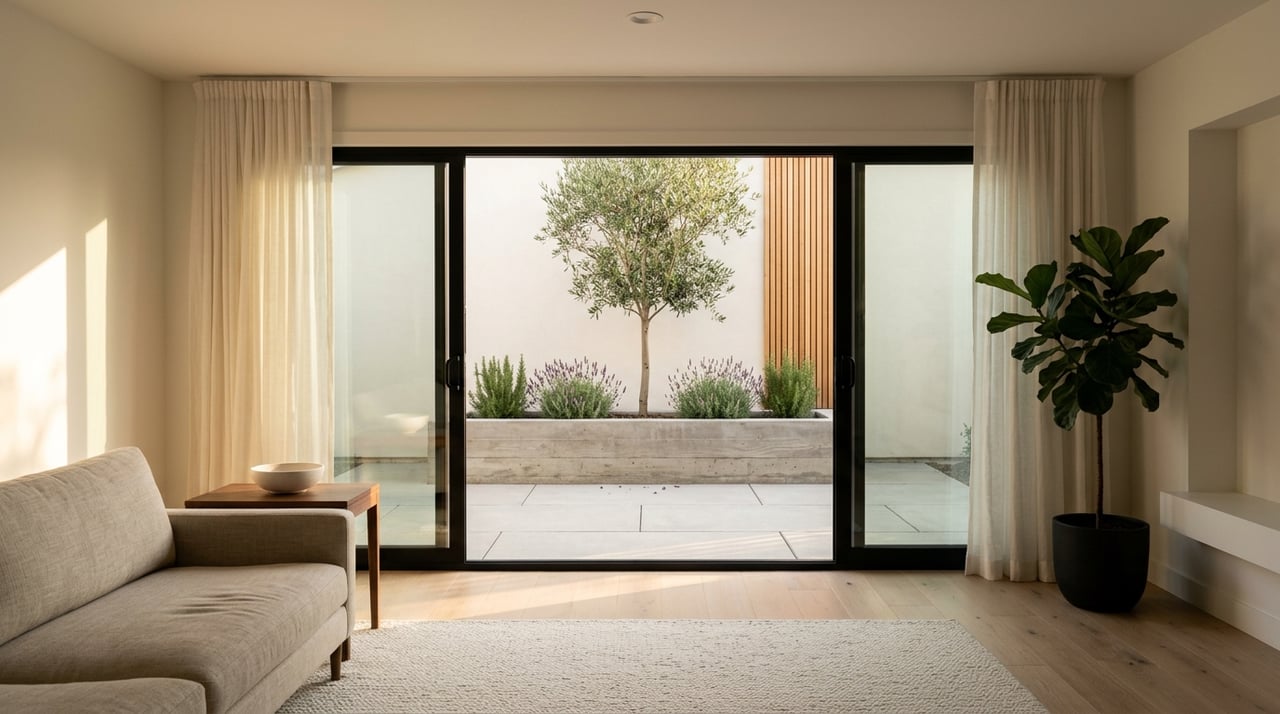
If you are thinking about selling your Rincon Valley home, it is easy to wonder where to start. You want a strong sale, but you also do not want to waste time or money on the wrong projects. The good news is that in 95409, smart preparation often matters more than big renovations, and a clear plan can help you move forward with confidence. Let’s dive in.
Understand the 95409 market
Before you paint a room or book a photographer, it helps to know what kind of market you are stepping into. Recent reports place Rincon Valley in a broad price range from the high $700,000s to the mid $800,000s, depending on the source and the type of measurement being used. That includes Zillow’s 95409 home value data, Realtor.com’s local market snapshot, and Sonoma County data from California Association of Realtors reporting referenced in market coverage.
What matters most for sellers is this: homes are generally selling near asking price, not dramatically above it. Zillow’s local data showed a 0.985 median sale-to-list ratio, with most homes selling below list rather than over it. That is why a fresh pricing strategy based on current comparisons is usually more useful than choosing a number based on hope alone.
Start with the highest-impact prep
If you are deciding what to fix first, focus on what buyers see, what affects safety, and what could raise questions during disclosures. In this market, visible condition and clean presentation can do more for your sale than a major remodel.
According to the National Association of Realtors 2025 staging report, sellers’ agents most often recommend decluttering, deep cleaning, and improving curb appeal. The same report found that staging was associated with higher offers in the view of many agents, and nearly half said it reduced time on market.
Declutter first
Decluttering is often the fastest way to make your home feel larger, calmer, and easier to understand. Buyers need to see the space itself, not your storage system or daily routines.
Start by removing extra furniture, clearing countertops, thinning out bookshelves, and packing personal items you do not need day to day. If you are planning a move anyway, this step gives you a head start.
Clean like photos are tomorrow
A clean home sends a powerful message about care and maintenance. It also improves everything else, from showings to listing photos.
Focus on kitchens, bathrooms, floors, windows, and light fixtures. Even small details like smudged glass or dusty baseboards can stand out once your home is photographed.
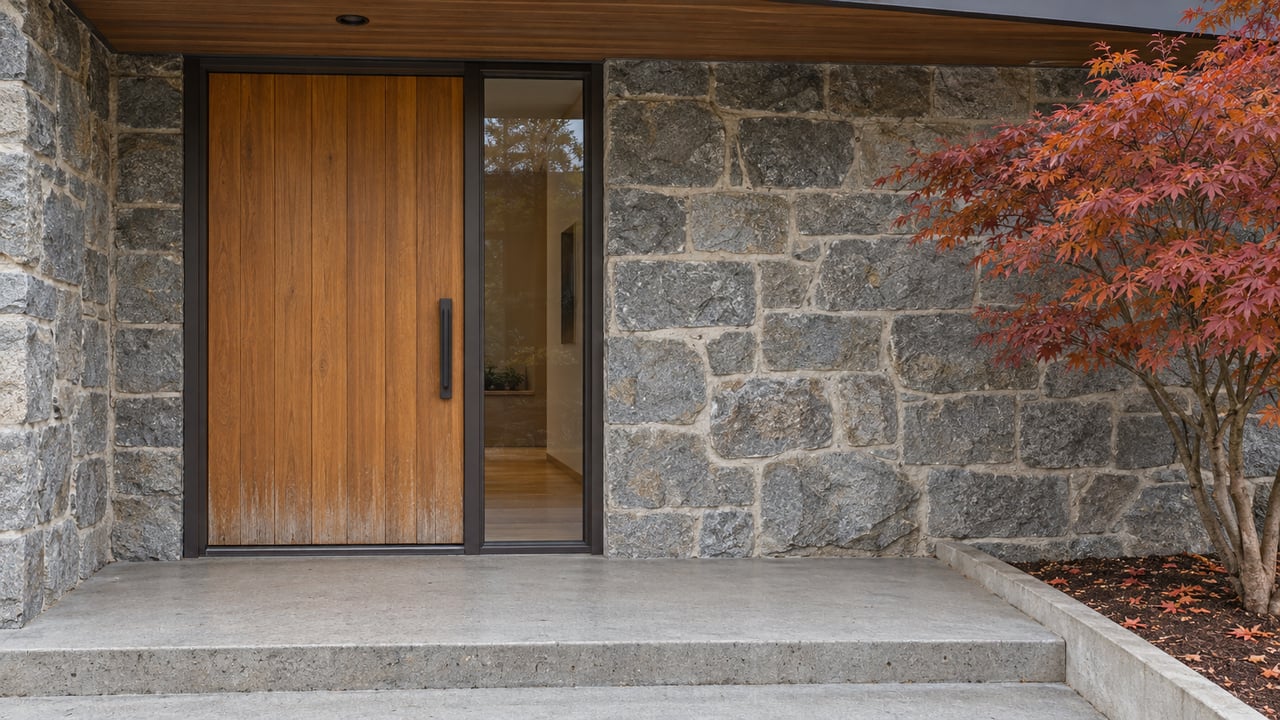
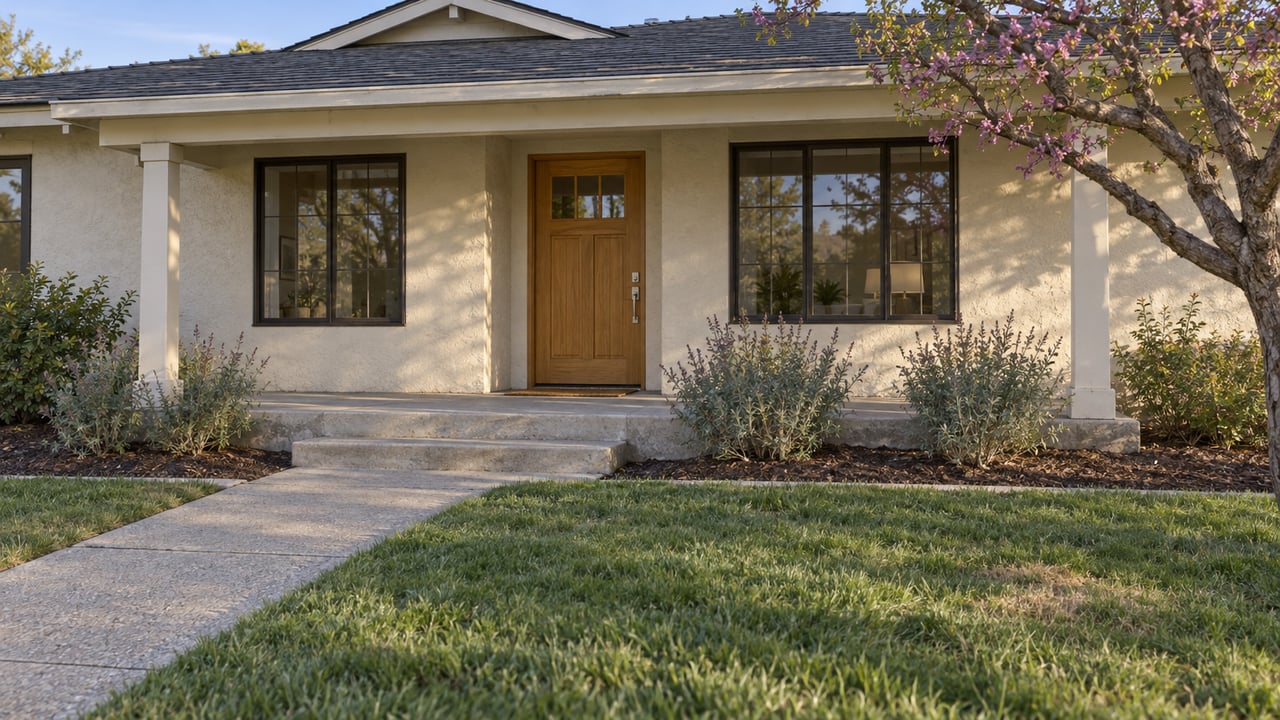
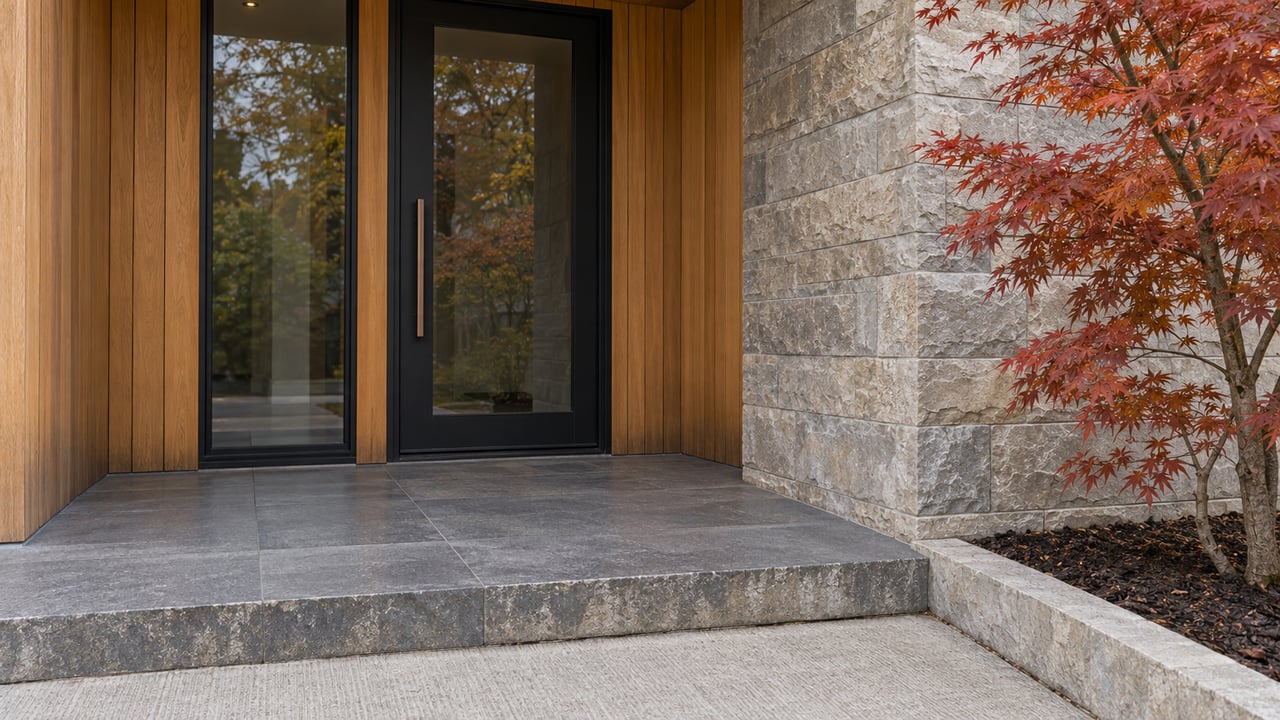
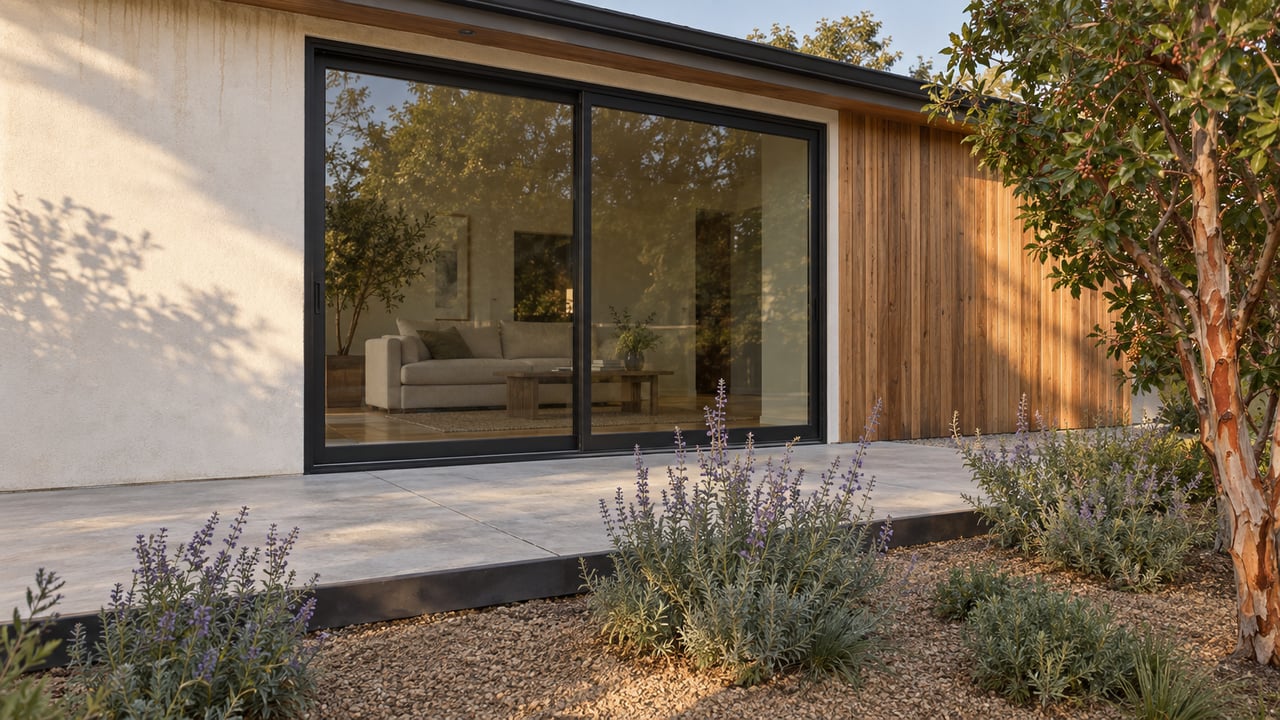
Refresh curb appeal
The outside of your home sets expectations before buyers ever walk in. In Rincon Valley, that first impression matters both in person and online.
Simple projects can go a long way:
- Trim overgrown landscaping
- Clear walkways and entry areas
- Add fresh mulch if appropriate
- Touch up the front door or visible trim
- Remove dead plants and yard clutter
Prioritize key rooms for staging
If your budget is limited, you do not need to stage every corner of the home. The NAR report found that the living room, primary bedroom, dining room, and kitchen are the most common staging priorities.
That gives you a practical place to focus. If you are trying to decide where to spend time and money, start with the spaces buyers notice first and remember most.
Where limited staging helps most
For many Rincon Valley sellers, the best return comes from concentrating on:
- Living room for flow and first impression
- Primary bedroom for comfort and scale
- Kitchen for cleanliness and functionality
NAR also reported a median staging-service cost of $1,500, compared with about $500 when the seller’s agent handled staging themselves. That makes staging a flexible tool, not an all-or-nothing decision.
Treat photography as part of prep
Your online launch is not separate from your first showing. For many buyers, the listing photos are what determine whether they book a visit at all.
NAR found that buyers’ agents rated photos as one of the most important parts of presentation, and 83% said staging made it easier for buyers to picture the home as their future home. In 95409 specifically, Realtor.com reports that listings get 1.46 times more views than the national average, which makes your first online impression especially important.
Get show-ready before media day
Before photos or video, make sure the home is fully reset. That means clean surfaces, simple styling, open blinds where appropriate, and minimal visual distractions.
It also helps to create an easy routine for the time your home is active on the market. If homes can go pending in roughly 16 to 35 days according to Zillow and Realtor.com, your prep window may actually be longer than your showing window.
Handle wildfire-related exterior prep
In Sonoma County, exterior prep is not only about appearance. It can also help address practical buyer questions about wildfire risk and property upkeep.
The California Board of Forestry guidance on defensible space calls for actions such as removing debris from roofs and gutters, trimming branches away from chimneys, pruning trees, and keeping flammable material away from and under decks in Zone 1. Depending on your property location and conditions, these items may belong on your pre-listing checklist.
Exterior items to review
Before listing, consider checking:
- Roof and gutter debris
- Tree limbs near the roofline or chimney
- Vegetation close to the home
- Stored flammable items under decks or near structures
- General yard maintenance and access paths
These steps can improve presentation while helping you feel more prepared for buyer questions.
Be careful with pre-1978 paint work
If your home was built before 1978, pause before starting any project that disturbs painted surfaces. That includes sanding, scraping, or larger repair work.
The EPA’s lead-safe renovation guidance says pre-1978 homes commonly contain lead-based paint, and contractors doing renovation, repair, or painting work in those homes must be lead-safe certified and follow lead-safe practices. EPA also says sellers of target housing must disclose known lead-based paint hazards, provide the federal lead pamphlet and warning statement, keep acknowledgments, and give buyers a 10-day opportunity to test unless that right is waived.
Gather paperwork before you go live
One of the best ways to reduce stress during escrow is to start gathering your documents early. Buyers often ask questions fast, and being organized helps you answer with clarity.
The California Department of Real Estate consumer guidance encourages consumers to review documents and permits and request additional inspections when questions arise. For sellers, that can mean pulling together permits, receipts, warranties, repair records, pest reports, and any other useful paperwork before the listing launches.
Useful documents to collect
Try to assemble:
- Renovation permits and records
- Contractor invoices or warranties
- Past pest or roof reports
- Appliance or system manuals if available
- Any records related to repairs or replacements
This does not mean every home needs perfect paperwork. It means being as prepared and transparent as possible.
Plan for disclosures and timing
California sellers have important disclosure responsibilities, and timing matters. A smooth launch often depends on getting these pieces lined up before the home hits the market.
The California DRE’s disclosure guide explains that the Real Estate Transfer Disclosure Statement describes the condition of the property and must be delivered as soon as practicable before title transfer. The same guide explains that the Natural Hazard Disclosure Statement covers items such as special flood hazard areas, very high fire hazard severity zones, wildland fire areas, earthquake fault zones, and seismic hazard zones.
A structural pest inspection is not required by California law before transfer, but if a purchase contract or lender requires one, the seller must provide the report and certification before title transfer. That is one reason it helps to build a real timeline for prep instead of treating listing day as a single event.
A simple pre-listing timeline
A practical seller timeline often looks like this:
- Review pricing with current market data
- Walk the property and identify prep priorities
- Schedule cleaning, touch-ups, and exterior work
- Gather permits, records, and disclosure information
- Decide on staging scope and photo timing
- Launch once the home and paperwork are both ready
Why strategy matters more than doing everything
It is easy to think a successful sale requires a full home makeover. In reality, most Rincon Valley sellers benefit more from a smart, focused plan than from trying to update every detail.
In a market where homes are often selling close to asking instead of soaring past it, the goal is not to over-improve. The goal is to present your home clearly, price it thoughtfully, and remove avoidable friction for buyers.
That is where a calm, organized listing process can make a real difference. From sequencing prep work to coordinating vendors, pricing with current data, and keeping the timeline on track, strong guidance helps you make decisions with less stress and more confidence.
If you are thinking about selling in Rincon Valley, working with Kaitlin Karkos Klein can help you build a prep plan that feels clear, strategic, and manageable from day one.
FAQs
What should I fix first before selling a Rincon Valley home?
- Start with decluttering, deep cleaning, curb appeal, and any visible safety or maintenance issues. These are often higher-impact than major remodeling.
How much staging does a 95409 home usually need?
- You can often focus on the living room, primary bedroom, and kitchen first. Those spaces tend to matter most when buyers are forming their first impression.
Do I need a pre-listing inspection to sell a home in California?
- A pre-listing inspection is not legally required, but many sellers find it helpful when reviewing condition, planning repairs, or preparing for buyer questions.
How fast do homes in Rincon Valley usually sell?
- Recent sources suggest many 95409 homes go pending in about 16 to 35 days once listed, though timing varies by price, condition, and presentation.
What disclosures matter when selling a home in Sonoma County?
- California sellers typically need to prepare property condition disclosures, and homes may also require natural hazard disclosures and other documentation depending on the property and known conditions.
Should I worry about wildfire prep before listing a Rincon Valley home?
- Exterior wildfire-related maintenance can be an important part of seller prep in Sonoma County, especially when buyers may ask about defensible space and overall exterior upkeep.