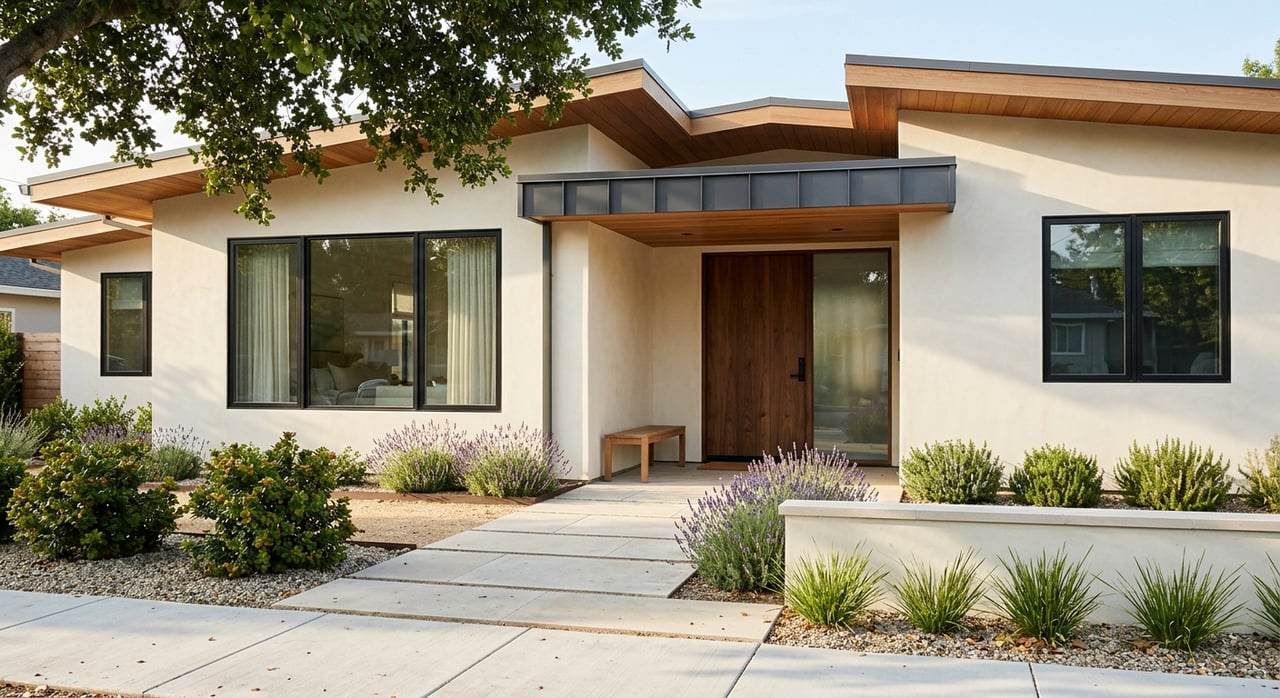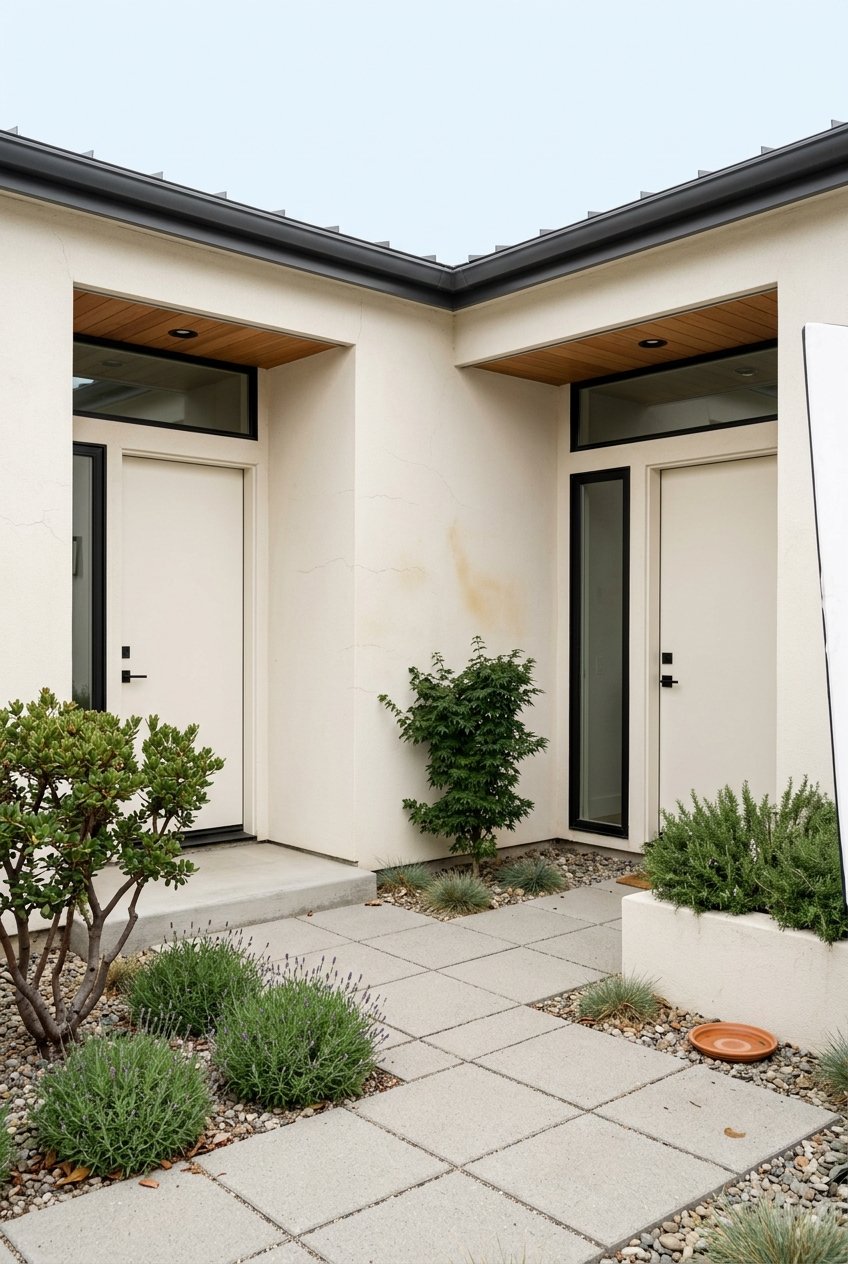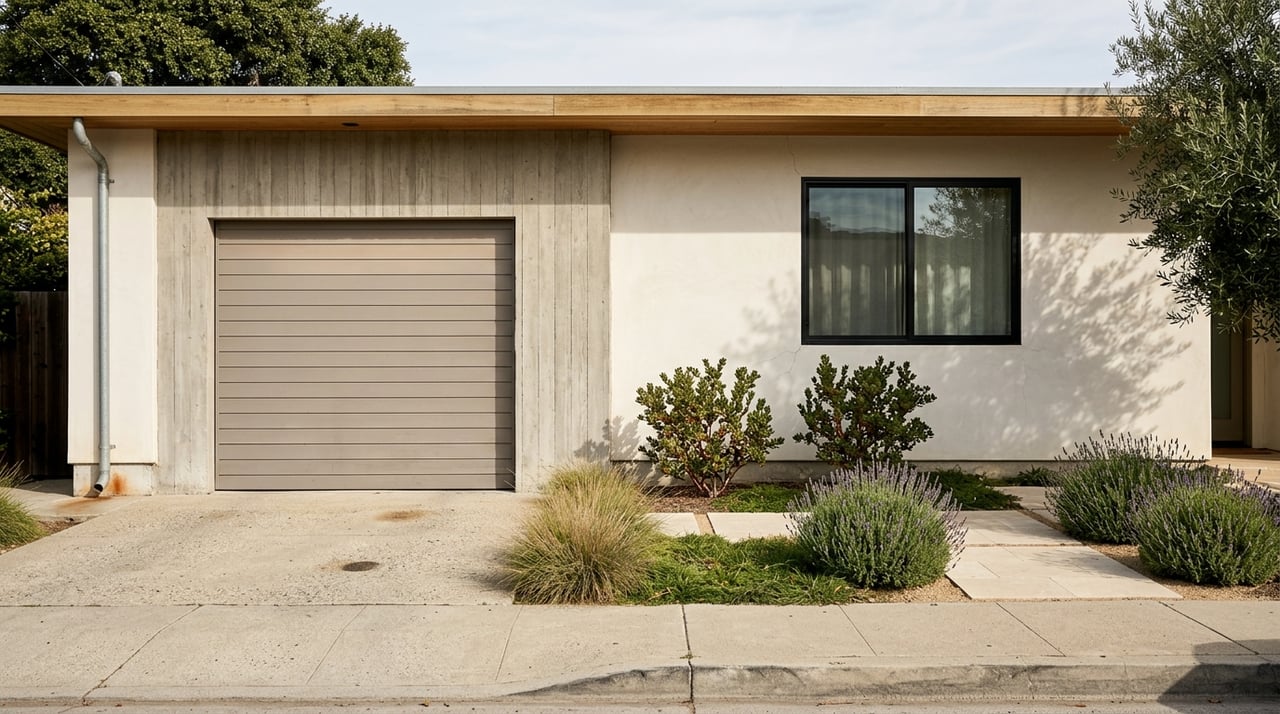
Wondering whether to buy a fixer or hold out for move-in ready in JC and Proctor Terrace? You are not alone. In these established Santa Rosa areas, the decision often comes down to more than finishes and price. It is also about timeline, repair risk, permits, and how much project management you want to take on after closing. If you are trying to weigh charm against convenience, this guide will help you sort through the tradeoffs with more confidence. Let’s dive in.
Why This Choice Matters Here
JC and Proctor Terrace are not new-build neighborhoods with uniform homes and predictable systems. Santa Rosa identifies both as part of the city’s neighborhood network, and each has a long-established identity. The Junior College area is tied to Santa Rosa Junior College, Santa Rosa High School, and nearby casual dining, coffee shops, and shopping, while Proctor Terrace has roots as a promoted subdivision dating back to 1923.
That history is part of the appeal. It can also shape what you are really buying. In these neighborhoods, a fixer often means taking on an older home with older systems, while a move-in ready home may offer a more predictable first year of ownership.
What “Fixer” Really Means in Santa Rosa
A fixer is not always just a home that needs paint and flooring. In Santa Rosa, repair and remodeling work can trigger permit requirements, code review, and contractor rules. The city requires permits for many types of construction, alteration, repair, and system replacement, and reviews can involve structural, electrical, mechanical, plumbing, green building, and energy-efficiency standards.
That matters because the true cost of a fixer is not just the purchase price. It can also include the time and money needed to bring work into compliance. Santa Rosa also notes that buyers should understand permit obligations before starting a project, even for common residential work such as interior remodels, window replacements, additions, ADU or JADU conversions, and solar installations.
Exterior Changes May Be More Complicated
If you are focused on changing the outside of an older home, pause before assuming it will be simple. Santa Rosa states that exterior changes to properties in Preservation Districts or to local landmarks can require Landmark Alteration Permit review. Depending on the property and the scope of work, review may go through the Director, Zoning Administrator, or Design Review and Preservation Board.
Interior changes are treated differently. The city says interior work is not subject to design review, which can make some projects more straightforward. Still, if your vision depends on major exterior updates, it is smart to verify the property’s historic status early.
Older Homes Can Hide Bigger Issues
Photos rarely tell the full story. Homes built before 1978 are more likely to contain lead-based paint, and renovation work can create hazardous lead dust. Older homes can also raise concerns about mold, asbestos, moisture, aging plumbing, electrical systems, roofing, or foundation conditions.
This is why inspections matter so much in a fixer purchase. A home inspection can reveal defects that affect your budget, your timeline, and even whether you still want the home at the original price.
Hidden Costs Buyers Often Miss
When buyers compare fixer and move-in ready options, they often focus first on list price. In Sonoma County, where the median existing single-family home price reached $875,000 in June 2026, that is understandable. But in practice, your decision should also include what happens after closing.
A fixer budget may need to absorb more than finishes and labor. It can include inspection costs, contractor bids, permit fees, and a contingency for unexpected issues once walls are opened or systems are evaluated more closely.
Sewer and Site Work Matter
In Santa Rosa, property owners are responsible for maintaining sewer service laterals, cleanouts, backwater valves, and backflow overflow devices on their property. The city also reports that while most service pipes are copper or plastic, some older homes still have galvanized iron. Those details can matter a lot in older neighborhoods.
If your work reaches into the public right-of-way or a public easement, Santa Rosa requires an encroachment permit. That can add another layer of cost and coordination that many buyers do not expect at first glance.
Financing a Fixer Takes Planning
If you are considering a fixer, financing deserves extra attention. Renovation financing options do exist, including HUD 203(k) loans and Fannie Mae HomeStyle Renovation loans. But these loans are not always simple, and buyers should compare official Loan Estimates carefully before choosing a path.
The practical takeaway is this: a fixer purchase can work well if you have a clear financing plan and enough reserves. If the home will not be habitable during renovation, HUD notes that certain 203(k) transactions may allow up to 12 months of principal, interest, taxes, and insurance to be included in the mortgage amount.
Contractor Rules Affect Your Budget Too
California also has strict rules around home improvement work. For projects over $500, a written home-improvement contract is required. The Contractors State License Board says a contractor cannot ask for more than 10% of the contract price or $1,000, whichever is less, as a down payment.
The state also requires a current valid license for anyone working on a project that requires a building permit, uses employee labor, or totals $1,000 or more in labor and materials. For you, that means license checks, contract review, and scope review should be part of your buying due diligence, not something you save for later.
When a Fixer Makes Sense
A fixer can be the right choice if you care deeply about location and are comfortable trading immediate polish for long-term potential. In JC and Proctor Terrace, that often means prioritizing established neighborhood character over turnkey condition. If you are drawn to older homes and can handle a longer runway, a fixer may open up options that feel worth the effort.
A fixer is usually the better fit when you have:
- A flexible move-in date
- Reserve cash beyond your down payment and closing costs
- Patience for inspections, bids, permits, and scheduling
- Comfort with older-home uncertainty
- A clear understanding of what work you can live with now versus later
This option tends to work best for buyers who can stay calm when a project gets more complex than expected.
When Move-In Ready Is the Better Fit
Move-in ready is often the safer choice if you want a more predictable path. That does not mean the home will be perfect, but it usually means fewer immediate decisions, fewer contractor calls, and less chance of surprise costs right after closing.
If your timeline matters, this can be a major advantage. Major repairs discovered during a transaction may need to be completed before closing or handled through an escrow arrangement, which can complicate a fixer purchase.
Move-in ready is often the better fit when you:
- Need housing on day one
- Want a more predictable budget
- Prefer to avoid managing contractors and permits
- Have limited reserve cash for post-closing repairs
- Do not want exterior or historic-review uncertainty
For many buyers, convenience is not a luxury. It is a risk-management decision.
Questions to Ask at Every Showing
Whether you are touring a polished home or one that clearly needs work, these questions can help you compare options more clearly.
Age and Materials
Ask when the home was built. If it predates 1978, think about lead-safe renovation concerns and whether your future plans involve sanding, demolition, or other disturbance of painted surfaces.
Systems and Structure
Ask what the inspection or seller disclosures reveal about the roof, foundation, plumbing, electrical, sewer lateral, and moisture conditions. These are often the issues that turn a light remodel into a much bigger project.
Scope of Your Plans
Think carefully about whether your wish list is interior-only or whether it touches the exterior. Exterior changes can be more complex if a property falls within a preservation context or if work affects the public right-of-way.
Timeline Reality
Be honest about your move-in timeline. If you need the home ready immediately, a fixer may create stress that a move-in ready property could avoid.
Financing Fit
If you need renovation financing, ask whether you have compared options and understood exactly what the loan covers. The right loan structure can help, but it should match your renovation scope and your tolerance for complexity.
A Simple Decision Framework
If you are stuck between two homes, try this quick filter.
Choose a fixer if:
- You are buying for location and long-term potential
- You have strong cash reserves and flexibility
- You are comfortable with permits, bids, and unknowns
- You can absorb the chance that the project grows in cost or scope
Choose move-in ready if:
- You want a cleaner, simpler closing and move
- You need budget certainty
- You do not want to manage renovation details
- You want to enjoy the neighborhood without starting a project right away
In JC and Proctor Terrace, there is no one-size-fits-all answer. The best choice is the one that fits your timeline, your finances, and your comfort with risk.
If you want help evaluating the tradeoffs between character, condition, and cost in Santa Rosa, Kaitlin Karkos Klein offers clear, step-by-step guidance to help you make a smart move with confidence.
FAQs
What does a fixer home mean in JC and Proctor Terrace?
- In these Santa Rosa neighborhoods, a fixer often means more than cosmetic updates. It can involve older systems, permit requirements, contractor coordination, and possible exterior review constraints depending on the property.
Are permits required for fixer projects in Santa Rosa?
- Yes, Santa Rosa requires permits for many types of construction, alteration, repair, and system replacement, and buyers should understand permit obligations before starting work.
Can exterior changes be restricted in Proctor Terrace or nearby areas?
- Yes, exterior changes to properties in Preservation Districts or local landmarks can require Landmark Alteration Permit review, so you should confirm the property’s status before planning major exterior updates.
Is move-in ready usually more expensive than a fixer in Sonoma County?
- A move-in ready home may cost more upfront, but a fixer can carry added costs after closing such as inspections, permits, contractor work, sewer-related repairs, and contingencies for unknown issues.
What should buyers ask when touring older homes in JC and Proctor Terrace?
- Ask about the year built, inspection findings, roof and foundation condition, plumbing and electrical systems, sewer lateral issues, moisture concerns, and whether your planned updates would affect the exterior or public right-of-way.
How do I know if a fixer fits my budget and timeline?
- A fixer is usually a better fit if you have reserve cash, a flexible move-in timeline, and the patience to handle permits, bids, and surprise repairs. If you need predictability, move-in ready may be the better choice.