Thinking about trading the hustle and bustle of the Bay Area for more space, fresh air, affordability, and that famed wine country lifestyle? Santa Rosa could be a great fit. I moved here from Oakland, and I've found the shift rewarding, but the details matter, from commute choices to wildfire considerations and neighborhood fit.
In this guide, you’ll get a clear picture of what day-to-day life looks like, a reality check on costs and timelines, and a step-by-step plan to make your move.
Why live in Santa Rosa?
Santa Rosa is Sonoma County’s largest city with a population near 178,000. It offers a great blend of urban convenience, historic charm, and access to nature and wine tasting.
Lifestyle shift to expect
Urban walkability vs suburban space
If you want walkability and character, Downtown and Railroad Square offer historic buildings, restaurants, coffee shops, and events, with some condo options. Santa Rosa boasts several historic districts, including Railroad Square, Cherry Street, St. Rose, and West End. You can preview the vibe on the City’s Historic Walking Tour page.
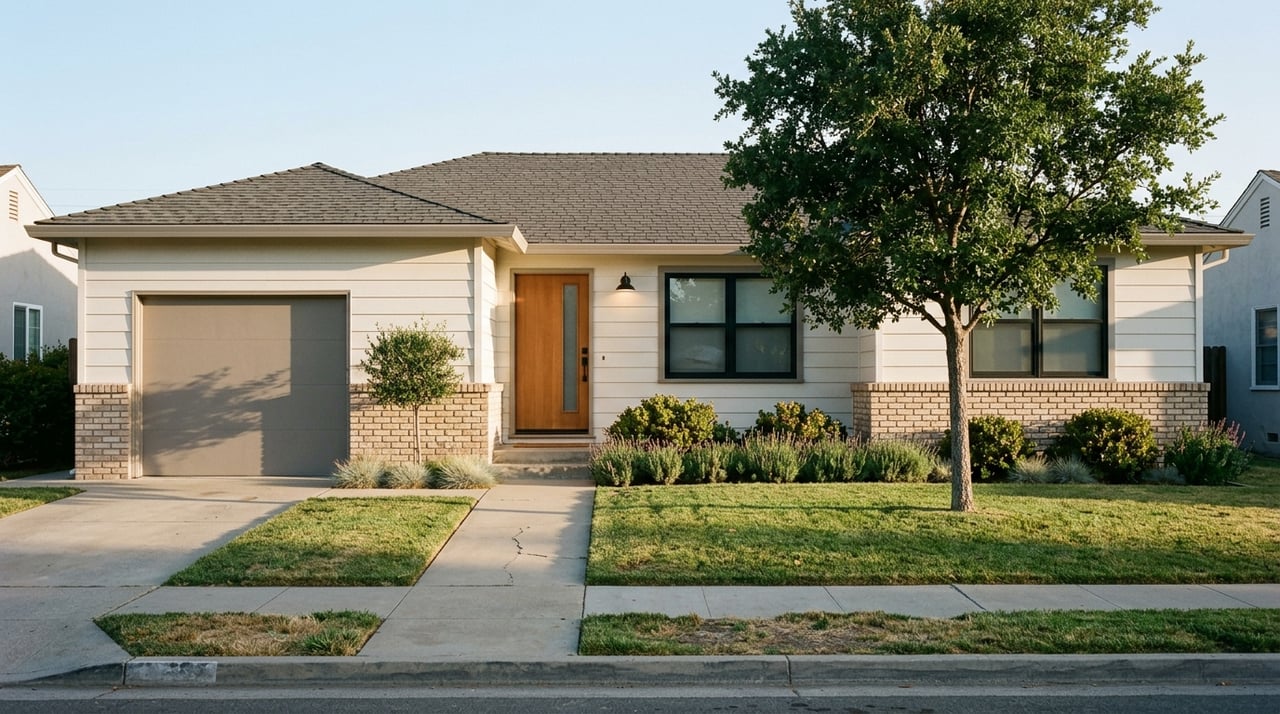
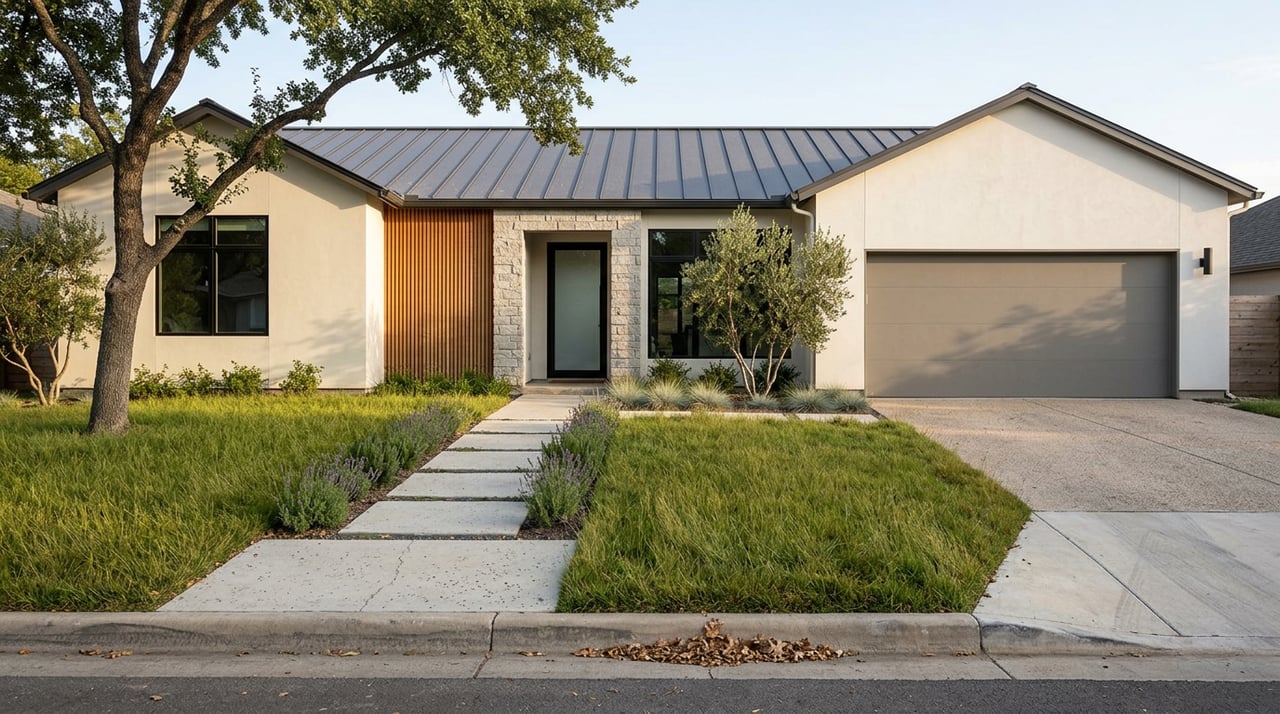
If you want more yard and elbow room, neighborhoods like Bennett Valley, Rincon Valley, Fountaingrove, Coffey Park, and other East Santa Rosa and North West Santa Rosa areas provide single-family homes with varying lot sizes. Oakmont is a large 55-plus community of single family homes, which attracts people who want independent living, a safe community, beautiful views, and myriad ways to make friends.
Parks, trails, and Wine Country weekends
Santa Rosa delivers quick access to the outdoors. Spring Lake Regional Park offers trails, a lake, and seasonal family amenities. Explore county resources for Spring Lake through Sonoma County Regional Parks. Right next door, Trione-Annadel State Park features popular hiking and mountain biking routes. Add in easy weekend trips to wineries across Sonoma and Napa, and you get a lifestyle that often trades late-night city energy for daytime nature, food, and wine.
Everyday services
You’ll find multiple public school districts plus charter and private options. Because school quality varies by campus, it’s wise to review site-level data and visit in person. Start with GreatSchools’ Santa Rosa listings and the California Dashboard, then verify for your specific address. Healthcare is well represented with regional hospitals and clinics, and daily shopping is convenient around downtown and centers like Coddingtown, Montgomery Village, and Santa Rosa Plaza. Census data shows a broad service economy to support day-to-day needs.
Commute reality from Santa Rosa
Driving to San Francisco and the Peninsula
Santa Rosa sits roughly 50 to 60 miles north of central San Francisco. Off-peak, plan for about 1 to 1.25 hours. During peak commute windows, it can extend to 1.5 to 2 or more hours each way. See a typical reference via Travelmath’s Santa Rosa to San Francisco drive time. Driving to Peninsula hubs like Palo Alto or Mountain View is typically longer. For many, that makes a five-day in-office commute challenging.
SMART train and Larkspur ferry
A popular hybrid option is rail plus ferry. The SMART train links Santa Rosa to Larkspur, where you can transfer to the Golden Gate Ferry into San Francisco. Ferry crossings often take about 30 to 40 minutes. Combined with SMART connections, you’re usually looking at roughly 1.5 to 2 hours door to door, depending on transfer times and first or last mile. Check SMART service updates and Golden Gate Ferry schedules to map your routine.
Hybrid work is common
If your employer supports a two to three day in-office rhythm, Santa Rosa can work very well. Current research suggests hybrid work is a durable solution for many companies and employees. Read more in Stanford’s overview of hybrid work trends.
Flights when you need them
For business travel, Charles M. Schulz–Sonoma County Airport (STS) provides convenient regional service. Review traveler resources through the official STS site.
Housing market snapshot
What you’ll see on the ground: pricing near the low 700s for median sales in recent trackers and homes that often take four to seven weeks to go pending or close. The pace varies by neighborhood and condition. Attractive, well-priced single-family homes still draw interest, while overall competition is calmer than the peak frenzy of 2021 and early 2022. For broader context on the housing stock, the Census ACS median owner value sits near $713,900, which helps you distinguish long-run stock valuations from current list and sale dynamics.
Neighborhood tradeoffs to weigh
Downtown and close-in historic districts
If you want charm and proximity to restaurants and events, explore Downtown, Railroad Square, and adjacent historic areas like Cherry Street, St. Rose, and West End. Inventory can be limited, so be ready to act when a match appears. Use the City’s Historic Walking Tour for a preview.
East and northeast for space and parks
Bennett Valley and Rincon Valley often appeal to buyers seeking parks and residential streets with a range of home ages and styles. Fountaingrove includes many rebuilt and newer homes following the 2017 fires. Coffey Park, heavily impacted in 2017, has seen extensive reconstruction, which is why you’ll notice newer streetscapes in an established area. Local reporting documents the rebuild momentum in Coffey Park and beyond. See coverage on Coffey Park’s recovery.
Trails, parks, and connections
To understand neighborhood connectivity, it helps to look at local trail and creek paths. The City’s Santa Rosa Creek Trails map offers a helpful overview.
Wildfire risk, insurance, and resilience
Wildfire history is central to Santa Rosa’s story. The October 2017 Tubbs Fire affected Coffey Park, Fountaingrove, and other areas, and the community has rebuilt significantly in the years since. Local coverage provides useful context on the recovery path in neighborhoods like Coffey Park. See the Press Democrat’s report on rebuilding progress.
Before you make an offer, check parcel-level hazard maps. Cal Fire’s Fire Hazard Severity Zone maps indicate areas with elevated wildfire exposure and the related building standards that may apply. Start with Cal Fire’s Sonoma County FHSZ map and the City’s updated FHSZ map for local context. Countywide mitigation priorities appear in the Sonoma County Community Wildfire Protection Plan.
Insurance remains address-specific. Many insurers write in Sonoma County, but premiums and terms can vary by parcel and hazard rating. Smart steps include:
- Requesting the seller’s insurance history and claims records.
- Getting quotes early for the specific address and discussing renewals.
- Budgeting for defensible space and fire-hardening work such as ember-resistant vents and Class A roofing.
- Reviewing permits if a home was rebuilt or significantly renovated after 2017.
Power shutoff readiness can also be part of due diligence. Review backup power options and discuss any past Public Safety Power Shutoff impacts. Regulatory filings offer useful background on PSPS history, such as this SEC filing referencing PG&E’s PSPS approach.
How we structure your relocation search
A thoughtful process reduces stress and protects your time. Here is how your search can run from first call to keys in hand.
1) Intake and priorities
- Clarify your must-haves and nice-to-haves: yard size, garage, home office, single level, or newer construction.
- Map your work pattern: fully remote, hybrid, or in-office. Then decide which commute modes you will consider. If hybrid, we will plan around two to three office days. For SF office days, we will factor in Golden Gate Ferry schedules and SMART connections or realistic drive windows.
2) Filters and mapping
- Build MLS alerts with filters for lot size, age and style, HOA flags, and school attendance areas.
- Overlay wildfire hazard maps to understand any FHSZ and WUI implications up front. We will reference Cal Fire’s county map and the City’s latest layers.
- Use commute isochrones to set realistic radii if you are driving to SF or connecting to the ferry.
3) Virtual-first recon
- Get high-quality video walk-throughs and neighborhood drive tours showing grocery options, parks, and routes to SMART or ferry connections.
- Bundle showings into one or two targeted visit days to compare finalists efficiently.
4) Inspections and due diligence
- Hire inspectors familiar with WUI details such as ember-resistant vents, defensible space, and fire-resistant roofing.
- Verify permit history, especially for homes rebuilt or remodeled after 2017. Many rebuilt properties incorporate modern standards and materials.
- Ask for insurance quotes before finalizing terms. Confirm coverage availability and deductibles.
5) Financing, timing, and logistics
- Typical escrows run about 30 to 45 days in California. If you are selling a Bay Area property, we will coordinate timelines and discuss bridge options or short-term rentals.
- This market often sees homes go pending within multiple weeks. That gives you time for due diligence while still moving at a confident pace.
6) Post-close setup
- Prioritize wildfire hardening and routine maintenance.
- Transfer utilities, review insurance renewals, and connect to neighborhood groups and local parks. The City’s Creek Trails map is a great way to learn your new surroundings.
Is Santa Rosa a fit for you?
Choose Santa Rosa if you want more space, quick access to trails and regional parks, and a calmer day-to-day pace, while still keeping a workable path to San Francisco on office days. Be realistic about commute windows and align with a hybrid schedule if possible. Balance your neighborhood wish list with address-specific wildfire and insurance realities, then use a structured search to compare options side by side.
If you would like a clear plan tailored to your timeline, work routine, and budget, reach out. You will get a calm, strategy-led experience from first call through closing.
Ready to explore Santa Rosa with a local guide? Connect with Kaitlin Karkos Klein to map your move with clarity and confidence.
FAQs
Can you commute daily from Santa Rosa to San Francisco?
- It is technically possible by car or by SMART plus the Larkspur ferry, but door-to-door times are often 1.5 to 2 hours each way. Many buyers prefer a hybrid schedule for balance. See typical drive times via Travelmath and ferry options on Golden Gate Ferry schedules.
How does Santa Rosa home size compare to a Bay Area condo?
- You often get more interior square footage and a yard for a similar or lower price compared to many core Bay Area condos, but exact value depends on neighborhood, condition, and your commute tolerance.
What should I know about wildfire insurance in Santa Rosa?
- Many insurers write policies in Sonoma County, but pricing and terms vary by address and hazard maps. Get quotes early, review the seller’s insurance history, and plan for mitigation work. Check the Cal Fire FHSZ map for parcel context.
How are the schools in Santa Rosa?
- School quality varies by campus. Review site-level data and visit in person. Start with GreatSchools’ Santa Rosa listings and the California Dashboard, then confirm for your specific address.
Which Santa Rosa areas feel more walkable vs more suburban?
- Downtown and Railroad Square provide a walkable core with historic character and dining, while areas like Bennett Valley, Rincon Valley, and Fountaingrove offer more single-family homes and yard space. Use the City’s Historic Walking Tour and Creek Trails map to preview each environment.