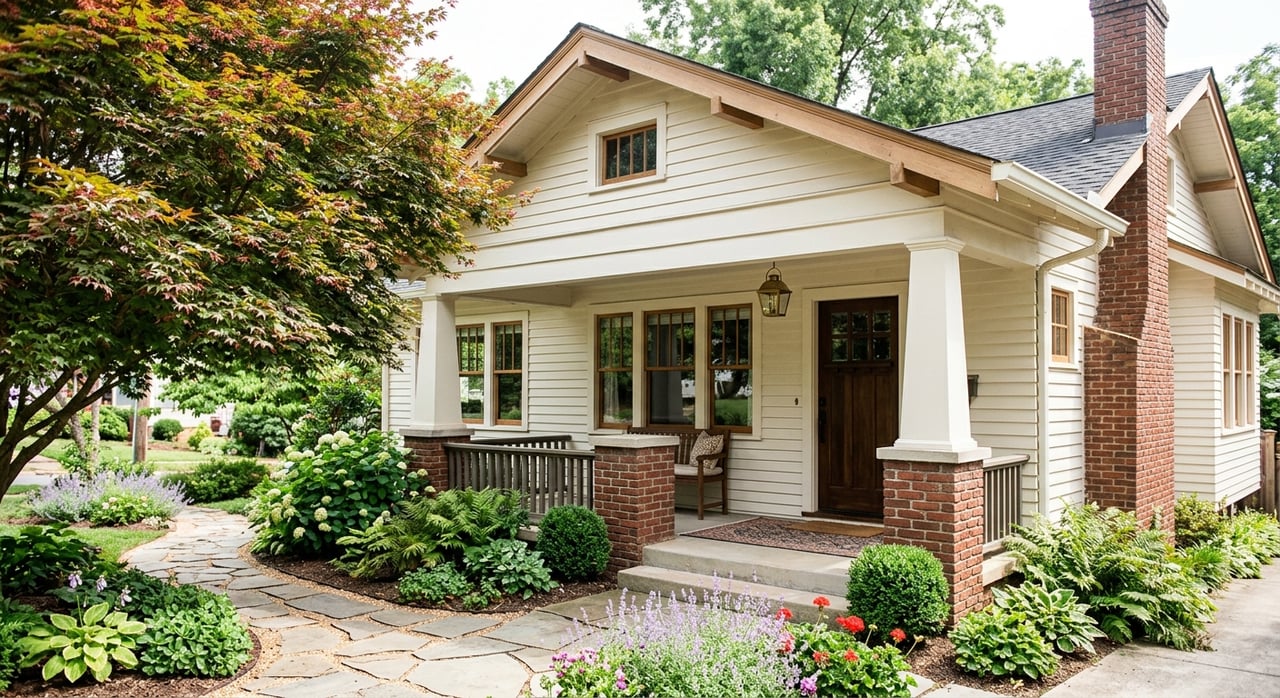
Thinking about buying a vintage home in JC or Proctor Terrace? You are not alone. These Santa Rosa neighborhoods attract buyers who want character, central convenience, and the kind of architectural detail that is hard to find in newer construction. If you are hoping to buy with confidence, it helps to know what “vintage” can mean here, what to inspect closely, and how to plan for updates before you fall in love with the front porch. Let’s dive in.
Why JC and Proctor Terrace Stand Out
The Junior College area has deep roots in Santa Rosa. The City of Santa Rosa notes that the Junior College Neighborhood Association was founded in 1977 to help preserve the neighborhood after the 1969 earthquake, and the district is centered along Mendocino Avenue between Spencer Avenue and Steele Lane near Santa Rosa Junior College and Santa Rosa High School.
That central setting is part of the appeal. The city describes the Junior College district as a place with casual dining, coffee shops, and youth-oriented shopping, which gives you an amenity-rich location while still holding onto its older-home identity.
Proctor Terrace brings a slightly different layer of history. Santa Rosa’s historic survey says it was one of the heavily promoted subdivisions that appeared east of the older core in 1923. For you as a buyer, that means you may find early-20th-century character without necessarily focusing only on the city’s oldest downtown blocks.
What “Vintage” Means Here
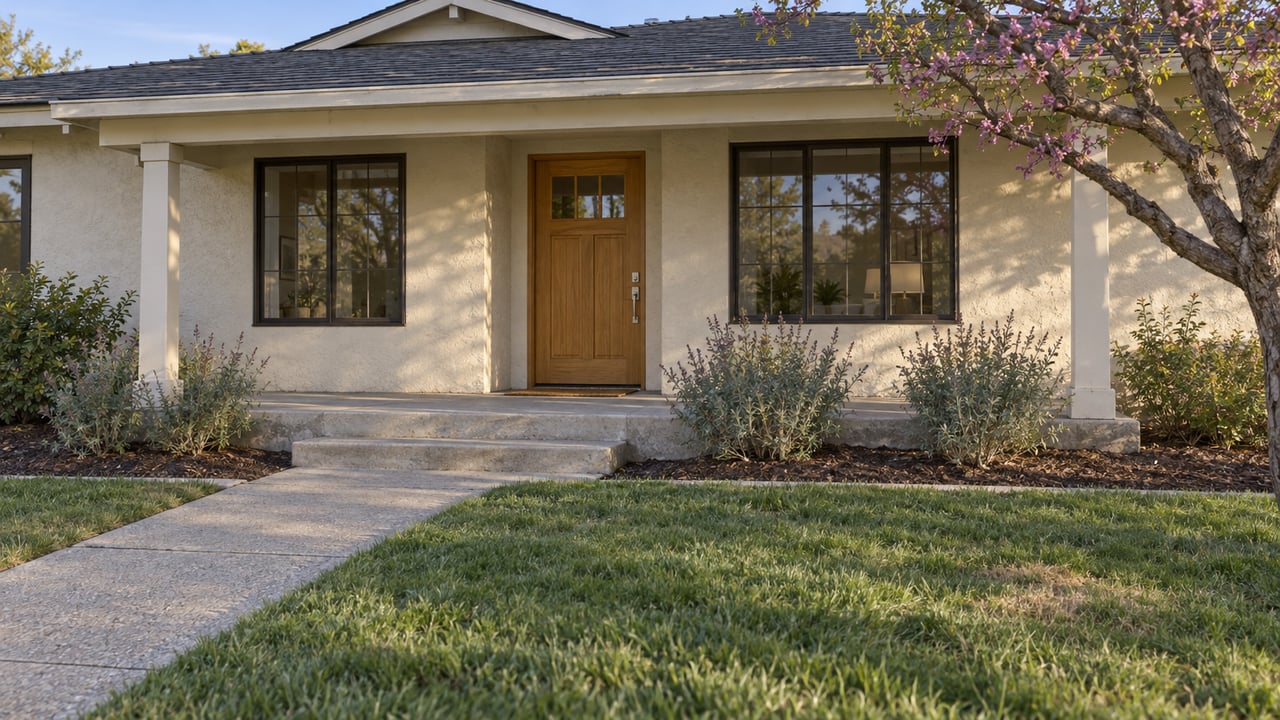
In JC and Proctor Terrace, vintage does not point to one exact style or one exact decade. Santa Rosa’s historic survey shows that homes from about 1908 through the mid-1920s were often Craftsman-inspired or California bungalow in style. These homes typically feature low-pitched roofs, exposed rafter ends, broad front porches, and wood cladding.
You may also see larger and more detailed versions of those homes. Some are two stories and have more ornamentation, which can make one block feel visually varied even when the homes were built within a similar era.
By the late 1920s through the 1940s, Period Revival styles became more common. In this part of Santa Rosa, that can include Tudor Revival, Spanish Colonial Revival, Mediterranean Revival, American Colonial Revival, and Minimal Traditional homes.
The age mix can be broader than many buyers expect. The city survey identifies very early homes in the broader JC and College Avenue corridor as well, including a house from around 1870 and another from about 1885. That helps explain why one street can include several eras of design.
Character Features Worth Noticing
When you tour older homes in these neighborhoods, the details matter. Original trim, porch proportions, rooflines, and window patterns may be character-defining features that shape both the home’s look and your future renovation choices.
That does not mean every old feature must stay untouched. It does mean you should slow down and identify what gives the house its personality before planning changes. In many vintage homes, the charm is not only in the floor plan, but also in the exterior lines and original materials.
A thoughtful buyer looks at both beauty and practicality. A wide porch or original wood window pattern may be a big part of the home’s appeal, but you also want to understand current condition, maintenance needs, and any city review that could affect exterior changes later.
Inspection Priorities for Vintage Homes
Older homes can be incredibly rewarding to own, but they need a more careful review. The California Department of Real Estate advises buyers to evaluate a home’s electrical, plumbing, and structural integrity and to use contingencies for items like home inspection, pest control, repairs, and home warranty when appropriate.
For many vintage purchases, a general home inspection is only the starting point. Depending on what comes up, you may also need a structural engineer for foundation or settlement questions, a certified lead inspector or assessor for pre-1978 homes, and an asbestos professional if old materials could be disturbed during renovation.
This is where a calm, step-by-step process can make a big difference. Instead of trying to solve everything at once, you can work through the property in layers and focus first on health, safety, structure, and major system questions.
Lead Paint and Older Materials
If you are buying a home built before 1978, lead should be on your radar. The California Department of Public Health says homes built before 1978 should be evaluated, and homes built before 1950 almost always have some lead-based paint.
CDPH also says buyers have 10 days to inspect or test for lead hazards before finalizing a contract. Common testing points include window frames, doors, trim, kitchen cabinets, baseboards, and bare soil near the foundation.
If you plan to repaint, refinish, or remodel, caution matters. EPA guidance says to treat paint in pre-1978 homes as lead unless testing shows otherwise, and to use lead-safe certified renovators when work is done on those homes.
Asbestos is another issue that can come up in vintage properties. EPA says you generally cannot identify asbestos by sight alone, and testing should be handled by a trained, accredited professional when materials are damaged or a renovation may disturb them. If the material is undamaged, leaving it alone is often the recommended approach.
Plumbing, Water Lines, and Interior Systems
Santa Rosa Water says the city’s drinking water is very low risk for lead contamination. Even so, the plumbing beyond the meter belongs to the property owner, which means interior supply lines and private fixtures in an older home are still worth evaluating carefully.
This is an important distinction for buyers. A sound municipal water supply does not automatically tell you the condition of the pipes and fixtures inside a house built decades ago.
Along with plumbing, you will want to pay close attention to electrical updates and the overall condition of the home’s systems. A vintage house can have wonderful design and still need targeted investment in infrastructure.
Drainage Matters More Than You Think
In this area, lot-by-lot drainage deserves real attention. Santa Rosa’s creek master plan notes that Poppy Creek begins north of Proctor Terrace and winds through the Junior College neighborhood.
For buyers, that is a practical reminder not to make assumptions about how every property handles water. Gutters, grading, downspouts, and yard drainage should be evaluated parcel by parcel.
This does not mean every home has a drainage problem. It simply means drainage performance is specific to each lot, and it is smart to inspect it with the same care you would give the roof or foundation.
Permits and Property History
One of the smartest moves you can make before closing is to review permit history. Santa Rosa requires building permits for many types of work, including additions, repairs, re-roofs, and system replacements, and the city reviews permit applications for structural, electrical, mechanical, plumbing, green-building, and energy-efficiency compliance.
In a vintage home, permit history helps you understand what was done, when it was done, and whether the work appears to have gone through the proper process. That can be especially useful if the home has updated kitchens, baths, roofing, windows, or major system changes.
If prior work seems unclear, ask questions early. It is much easier to understand the file before you own the property than to sort it out after closing while planning a remodel.
Historic Review and Exterior Changes
If you are buying for character, you should also understand how exterior changes may be reviewed. Santa Rosa’s design-review process evaluates exterior changes for compatibility with surroundings, while interior changes are not subject to design review.
For historic properties, Landmark Alteration Permit review generally applies to exterior changes, including restoration, rehabilitation, alteration, new construction, removal, or demolition. The city says it reviews only exterior changes to historic properties.
Santa Rosa currently has eight designated Preservation Districts, and buyers should verify whether a specific parcel is a landmark, a contributing property, or outside a district before planning changes to windows, siding, porches, rooflines, or additions. That verification step matters because two homes with similar age and style may not have the same review requirements.
A Smart Renovation Sequence
If you are already imagining a future remodel, the best path is usually a disciplined one. A sensible sequence is to inspect first, collect disclosures, verify permits and preservation status, and then order specialty reports for issues like lead, asbestos, seismic concerns, drainage, or wildfire-related factors before setting a full renovation scope.
That order can save you time, money, and stress. It also helps you make decisions based on facts instead of assumptions.
Vintage homes often reward patience. When you understand condition, review requirements, and likely project costs upfront, you are in a much better position to decide whether the home is the right fit for your budget and goals.
Local Risk Factors to Keep in Mind
In California, site-specific risk is part of responsible due diligence. The California Geological Survey says sellers must disclose whether a property lies in a Seismic Hazard Zone, and Cal OES notes that all Californians live with earthquake risk, with local planning agencies serving as the place to confirm parcel-specific boundaries.
Santa Rosa has also adopted a Vegetation Management Ordinance requiring defensible space throughout its Wildland-Urban Interface area. Depending on the parcel, this may affect how you think about maintenance and long-term property planning.
These are not reasons to avoid older homes. They are reasons to approach the purchase with clear expectations and a strong plan.
Buying With Clarity in JC and Proctor Terrace
A vintage home in JC or Proctor Terrace can offer warmth, history, and a sense of place that is hard to replicate. At the same time, older homes ask more from buyers in the form of inspection discipline, document review, and thoughtful renovation planning.
If you want a home with original character, the goal is not to be scared off by age. The goal is to understand what you are buying, protect your options, and move forward with confidence.
That is where steady guidance matters. If you are exploring vintage homes in Santa Rosa and want a clear, strategic buying process, Kaitlin Karkos Klein can help you evaluate opportunities, spot the right questions early, and navigate the process with care.
FAQs
What counts as a vintage home in JC and Proctor Terrace?
- In these neighborhoods, vintage can include Craftsman-inspired and California bungalow homes from about 1908 through the mid-1920s, as well as later Period Revival styles and other older homes from nearby eras.
What should buyers inspect first in a vintage Santa Rosa home?
- Start with electrical, plumbing, structural integrity, and general condition, then add specialty inspections if needed for items like foundation concerns, lead, asbestos, or drainage.
Do pre-1978 homes in Santa Rosa need lead testing?
- CDPH says homes built before 1978 should be evaluated for lead hazards, and buyers have 10 days to inspect or test for lead before finalizing a contract.
Why does drainage matter in Proctor Terrace and JC?
- Because Poppy Creek runs through the broader area, it is smart to review gutters, grading, downspouts, and yard drainage on a parcel-by-parcel basis rather than assuming all lots behave the same way.
Do Santa Rosa vintage homes need permits for updates?
- Many projects do require permits in Santa Rosa, including additions, repairs, re-roofs, and system replacements, so reviewing permit history is an important part of due diligence.
Will a historic Santa Rosa property limit exterior remodeling?
- It can, depending on the parcel’s status, because Santa Rosa reviews exterior changes for historic properties and certain properties may also fall within designated preservation areas.